.png)
When planning a bathroom renovation, one of the most common decisions homeowners face is whether to install a walk-in shower or a traditional enclosed shower cubicle. Both options can work well, but the right choice usually comes down to how the bathroom is used day to day, rather than how it looks in a brochure.
Having installed both across a wide range of homes, we find the best results come from understanding the practical differences early on.
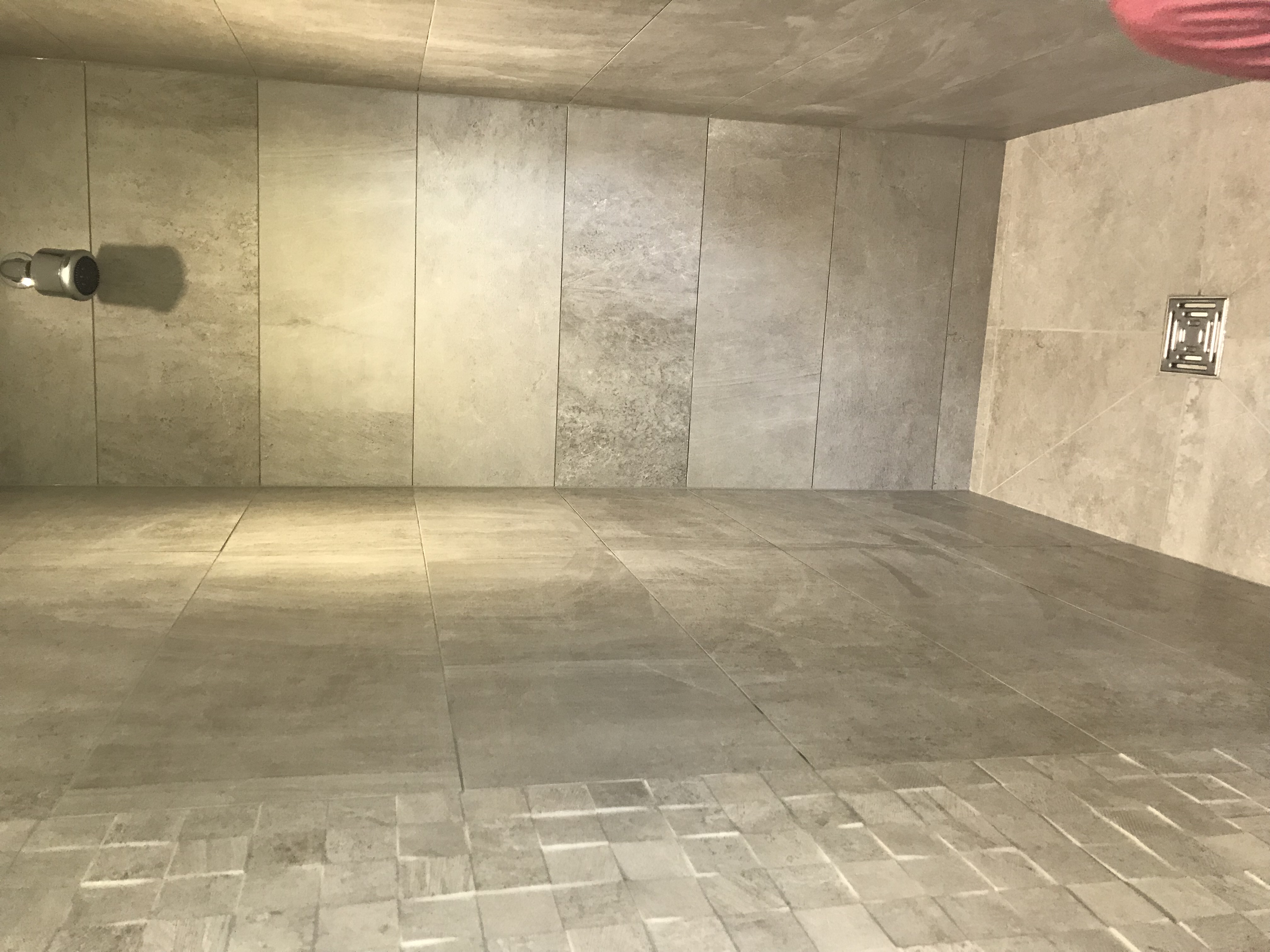
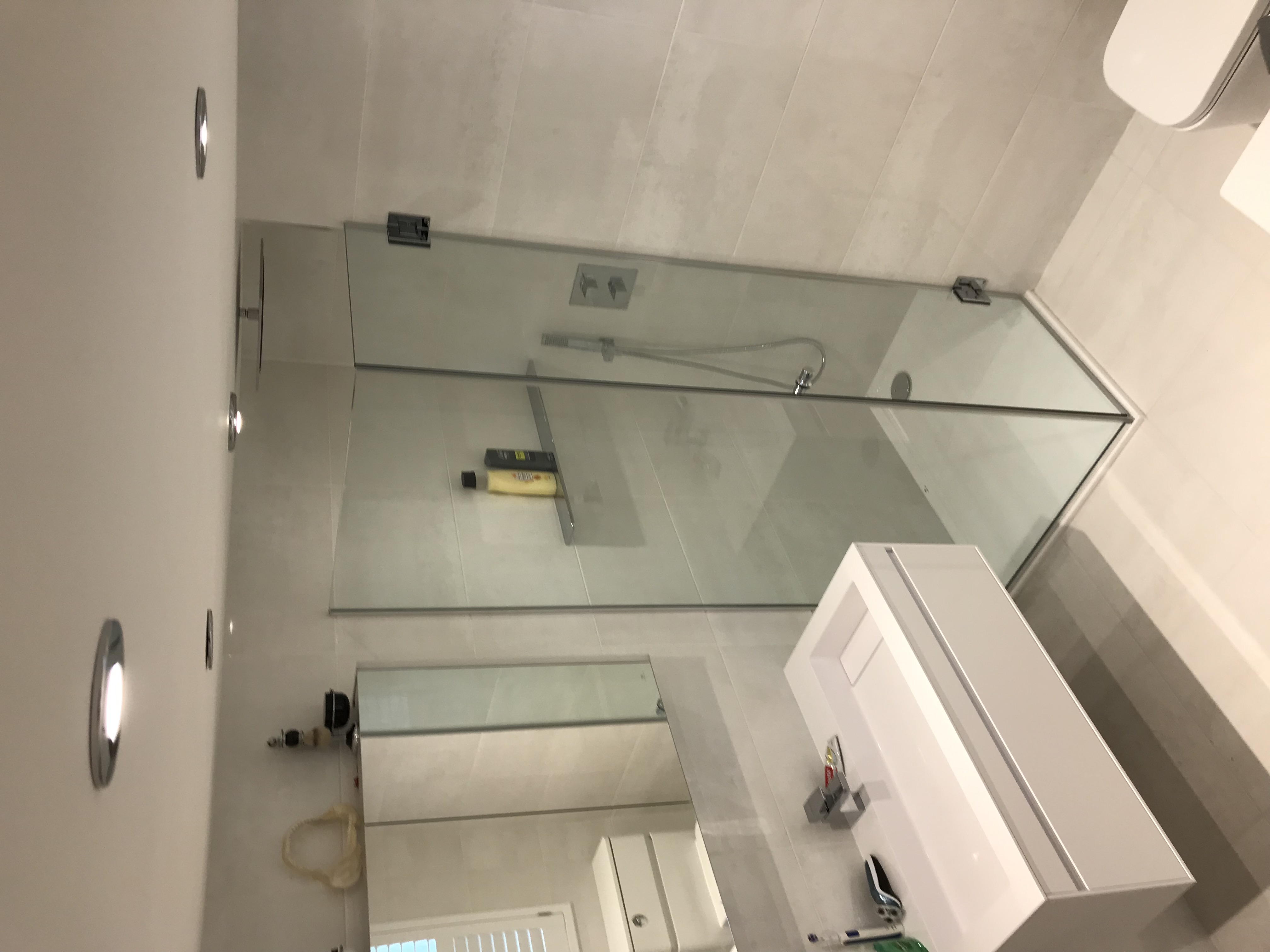
Enclosed shower cubicles remain a sensible option in certain situations.
They can work particularly well where:
A fully enclosed cubicle naturally keeps water within a defined area and can be easier to integrate into smaller bathrooms where layout options are limited. For some households, this familiarity is reassuring and suits their needs perfectly.

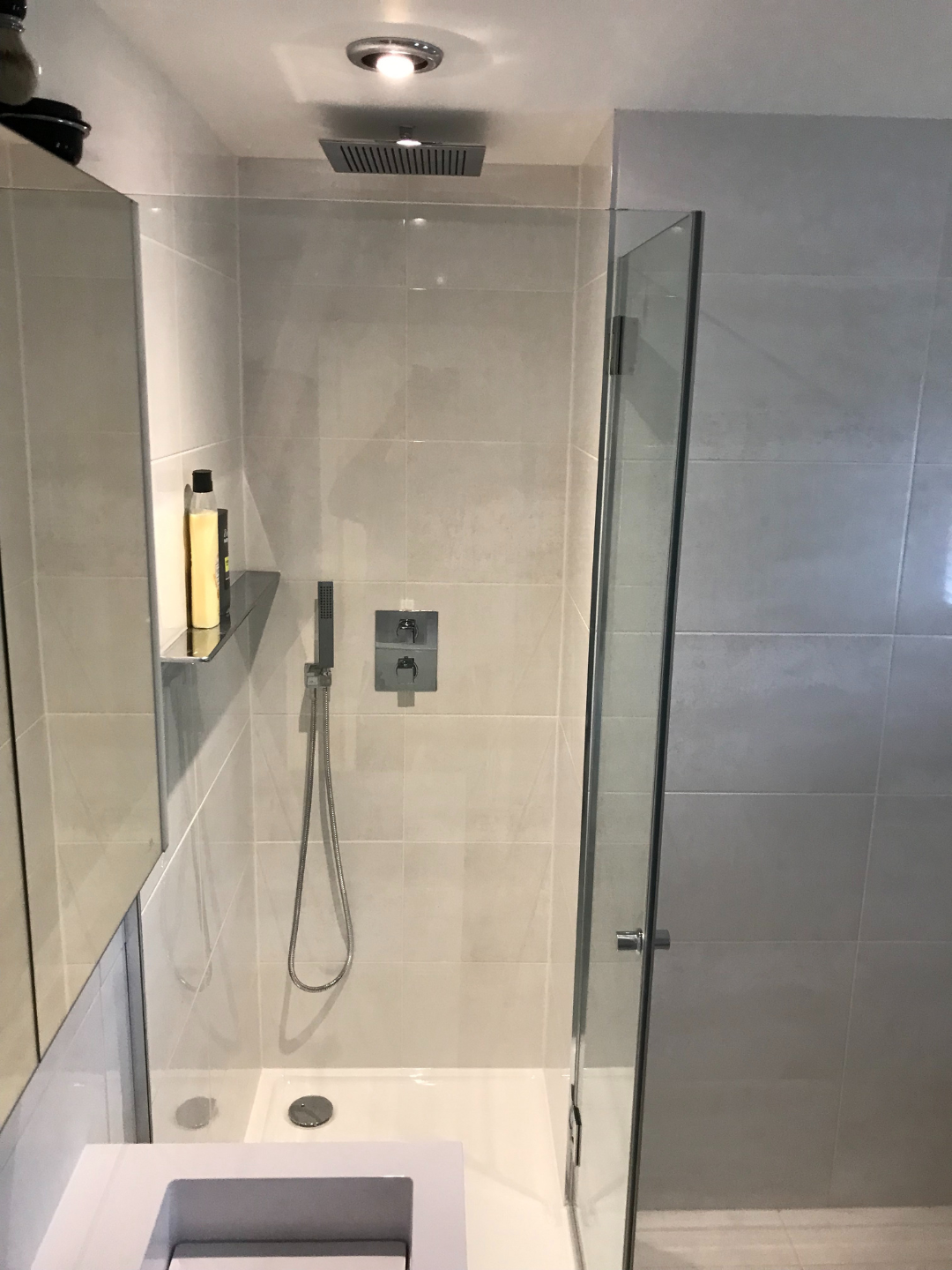
Walk-in showers have become increasingly popular, not as a design trend, but because they solve a number of practical problems.
Key reasons homeowners opt for walk-in showers include:
When planned properly, a walk-in shower can make a bathroom feel calmer and easier to move around, particularly in family homes or where future accessibility is a consideration.
It’s normal for homeowners to have reservations before committing to a walk-in shower. The most common questions we’re asked include:
Will water splash everywhere?
This comes down to tray size, screen positioning, and layout. A properly sized, low-profile tray and correctly positioned glass panel will comfortably contain water without the need for full enclosure.
Do walk-in showers suit smaller bathrooms?
Yes, in many cases. Removing bulky frames and doors can actually make a modest space feel larger and more usable, provided the layout is thought through carefully.
Are they harder to install?
They require more planning, particularly around waterproofing and falls, but when installed correctly they are no more problematic than enclosed cubicles in long-term use.
Whether you choose a walk-in shower or a cubicle, the overall success of the bathroom depends far more on planning and execution than on the product itself.
Key factors include:
These details are what determine whether a bathroom works well years down the line.
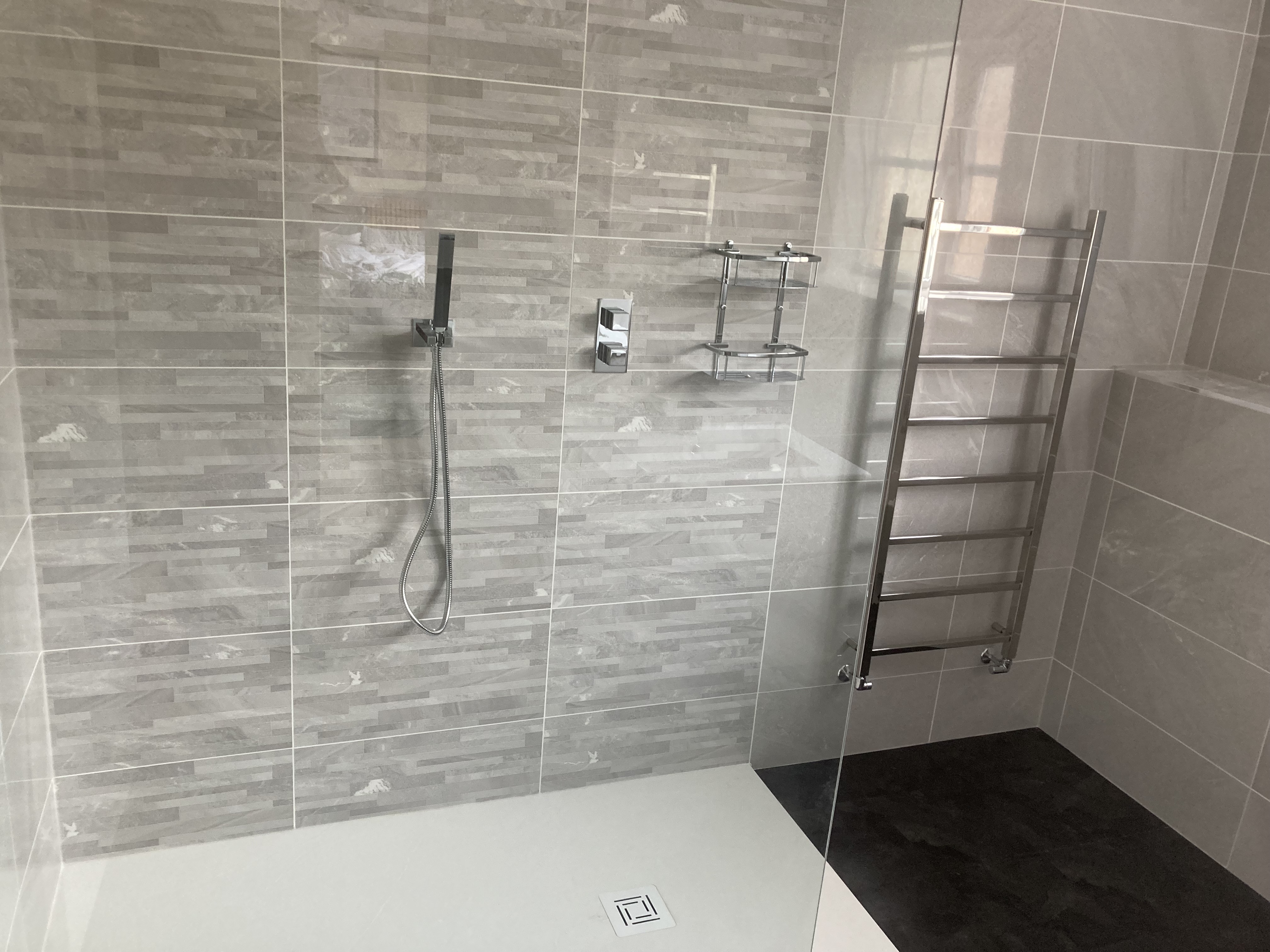
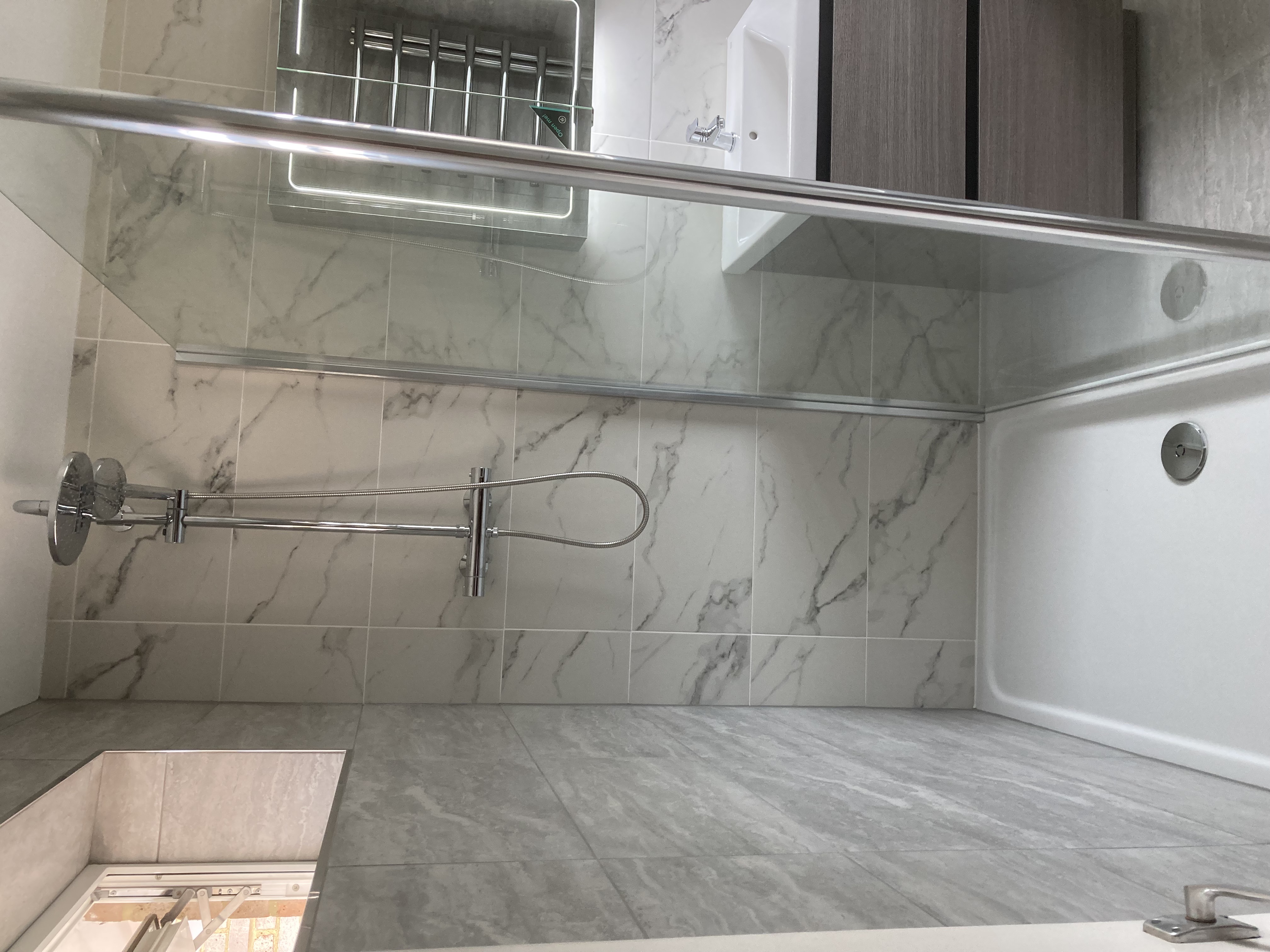
In a recent full bathroom renovation in Crowthorne, the client chose to remove an enclosed shower cubicle and replace it with a step-free walk-in shower. By opening up the layout and using a low-profile tray set flush with the floor tiles, the space became easier to use and felt noticeably more open.
The result was a bathroom that worked better on a daily basis without sacrificing finish or comfort.
You can see the full project here: Full Bathroom Renovation with Walk-In Shower in Crowthorne.

Both walk-in showers and enclosed cubicles can be the right choice, depending on the space and the household. What matters most is choosing a layout that reflects how the bathroom is actually used, not just how it looks.
With careful planning and proper installation, either option can deliver a reliable, comfortable bathroom that stands up to everyday use.


A Family-Run Bathroom Installation Company Based in Binfield, Berkshire.
.svg)
.svg)
.svg)